Piglets have the highest mortality rate within 7 days after delivery. In this period, non-epidemic deaths are the main reason, and only about 20% of the total deaths of piglets are caused by illness. According to the survey, the main causes of death are: 1 crushed and trampled to death, accounting for 50% of the total number of piglets died; 2 starvation accounts for 20%; 3 killed and other causes of death accounted for about 6%. The main causes of non-epidemic deaths of piglets were the weakness of piglets, the incomplete development of body temperature regulation, poor feeding and management, poorly designed pig houses and poor motherhood of sows. To improve the survival rate of suckling piglets, the following management work must be done. 1. The critical temperature of newly-frozen piglets is 35°C, and the body temperature regulation function of piglets is not perfect within 6 days of age. It will not be perfect until 20 days of age. If the ambient temperature is low, the body heat of piglets is quickly lost. For the piglets within 6 days of age, insulation measures must be taken. Heat lamps, warm beds, incubators, etc. can be installed. For piglets 6 to 20 days old, if the ambient temperature is too low, appropriate insulation measures should be taken. 2. Anti-pressure and anti-stepping newborn piglets are unresponsive, inflexible and slightly careless, and may be killed or crushed by sows. Therefore, the sow house must be properly designed to install a nursery rack. At the same time set piglet nursery feeding room, so that the mother and child sleep separately. 3. Reasonable breast-feeding piglets' autoantibodies will not be produced until 10 days after birth, and during this period they are susceptible to pathogenic bacteria and cause death. Sows in colostrum contain more immunoglobulin, which can provide antibodies to piglets, thus enhancing the disease resistance of piglets. When breastfeeding, a method of fixing the teat is adopted so that the weak piglet can suck to the teat with more milk, so as to obtain sufficient milk juice and sufficient nutrition. In addition, supplemented milk substitutes are provided to weak piglets to increase their survival rate. 4. Counselling measures Some sows will be unable to produce milk due to illness after giving birth, or if the number of litters exceeds the number of effective nipples of sows, then foster care is required. The foster care should be carried out as soon as possible after birth. The birth date of the birth mother and the foster mother should be as close as possible. If it is more than one week, fostering is very difficult. The pig's sense of smell is sharp, but it is dull to the color. When foster piglets are used, the adoptive mother's urine, milk, and mat grass can be wiped to wipe the entire body of the adoptive, so that the adoptive son has the same odor as the foster mother and is put into the foster mother's piglet group at night. Carefully observe when breastfeeding for the first time to prevent the mother from hurting the piglets. 5. Epidemic prevention and control Do a good job of sanitation and cleaning of pigs and disinfect them. The sow postpartum rinses the uterus with antibiotics to prevent diarrhea and mastitis and cause the piglets to squat, leading to death.
Bulk of varicella vaccine,semi-Finished Products.It has good safety with low ratio in adverse reaction. And it has been exported to Bangladesh.
In 2008, BCHT successfully launched its product Varicella Vaccine, Live in China. In the following years, BCHT continuously committed to improving the product and led in 2010 removal of gelatin from adjuvant and extended the vaccine shelf-life up to 36 months which is the longest one in the world in 2011. And it has the following qualities.
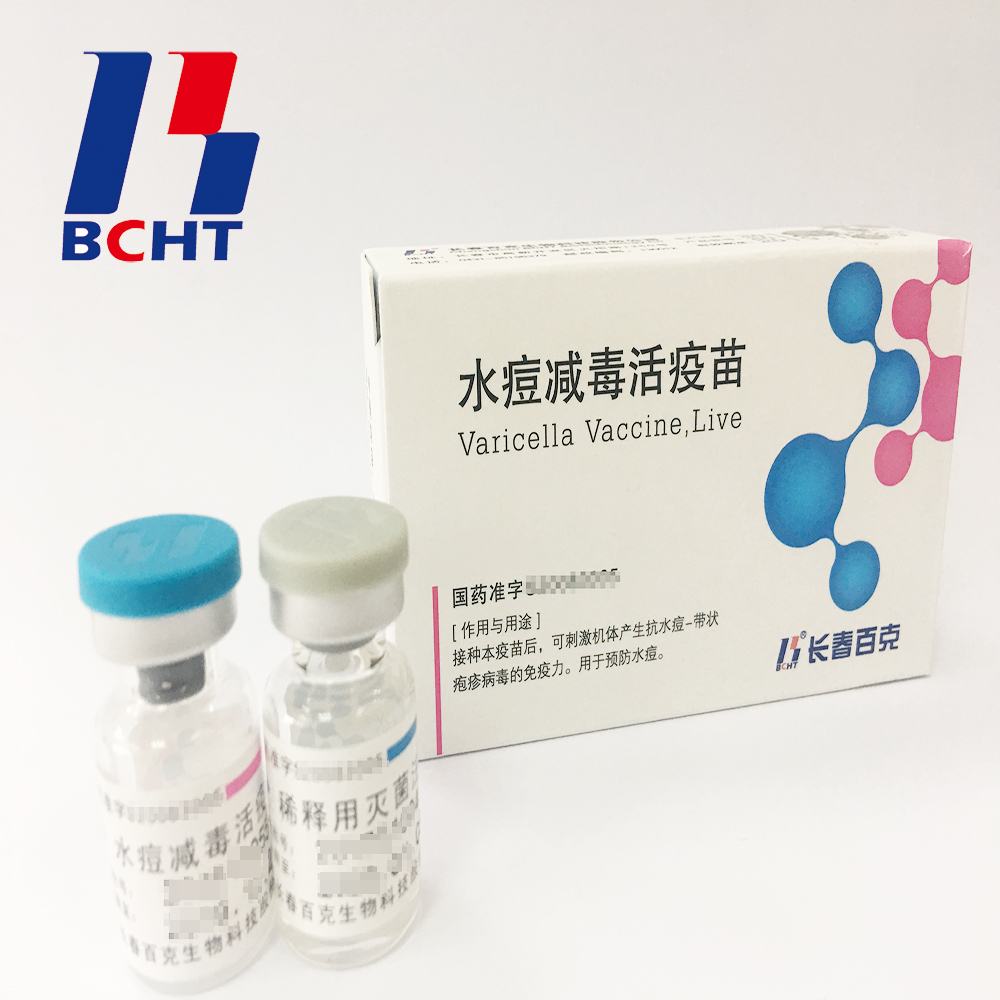
Final Bulk
Biotechnology Bioproducts Preventive,Final Bulk Medicine Preventive,Final Bulk Pharmaceutical Preventive,Vaccine Biological Products Preventive
Changchun BCHT Biotechnology Co. , https://www.ccbcht.com

没有评论:
发表评论